


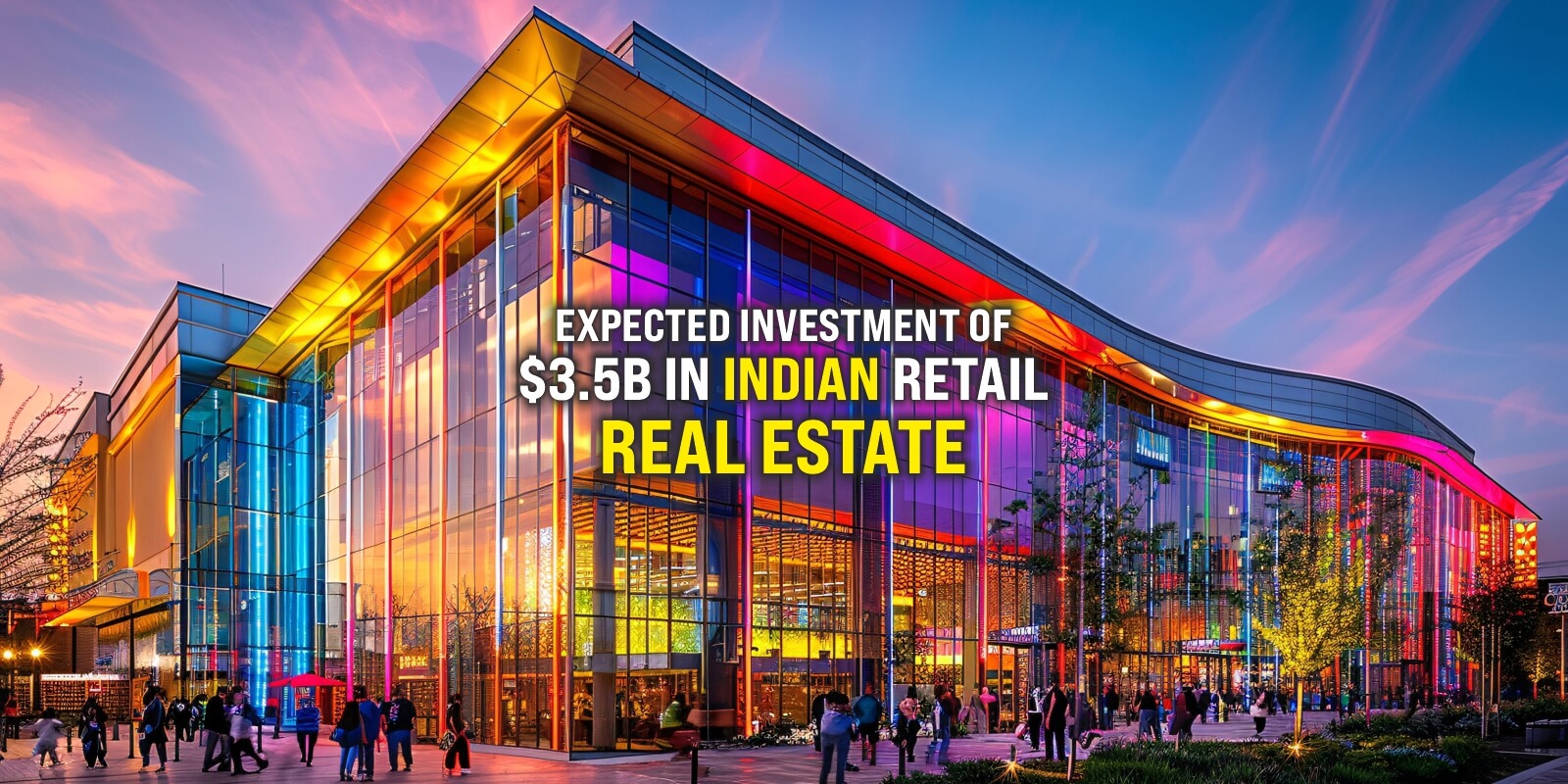
The Indian retail real estate industry is at a very decisive phase of growth, with investments likely to near USD 3.5 billion in the next couple of years. This is not a chance occurrence but actually a function of structural changes in consumer preference, the reinvigorated relevance of physical retail, and an increase in confidence amongst domestic and global investors. If residential and office assets were the mainstay of conversations, it is retail-led developments-malls, high streets, and mixed-use projects-that are stealing the thunder and changing the face of real estate.
Geographical diversification marks this trend. While earlier waves were confined to metro cities, the latest wave covers Tier II and Tier III cities. Retail brands are eyeing these destinations to tap into growing consumers, superior infrastructure, and increasing buying power. Therefore, these small cities emerge as lucrative spots for investors who seek more stable yield income along with long-term appreciation.
Several structural and market factors are together driving capital inflows into retail real estate. Consumption-led growth, supported by rising incomes, urban migration, and lifestyle aspirations, has lifted spending on dining, entertainment, wellness, and discretionary categories that depend on quality retail environments.
Organized retail growth also adds to the growth of the sector. Domestic as well as global companies continue to expand their retail presence through physical expansion, while e-commerce contributes to their growth. Underperforming properties can now be repurposed to unlock their potential. In addition to this, the predictability of rents renders the retail market more resilient. Organized retail growth also adds to the growth of this sector.
A preferred retail investment destination for the investment community is India, which symbolizes a ‘long-term consumption story.’ The country has a ‘young population,’ a ‘growing middle-class consumer,’ and ‘behavioral shifts toward consumption.’ All these factors collectively create ‘consumption traction.’
The market is shifting towards a more balanced position after decades of potential oversupply issues. The demand is inclined towards experience-based formats that include a combination of retail, dining, entertainment, and socializing. The industry is witnessing a paradigm shift towards mixed-use projects and phased leasing.
Global brands have entered beyond metropolitan flagship stores in major cities to Tier II cities, with high street format preference and longer leases. Their entry has increased standards and demand for professionally managed realty. Real estate consultants have helped with tenant mix, brand, and maximizing income to global standards.
The growth of Indian retail real estate translates into numerous benefits for the economy. The hiring of employees takes place in the construction phase, running the retail space, logistics, and the facility itself. The development of retail infrastructure boosts small businesses and enhances tax compliance. The upmarket retailing hubs create demand for residential spaces, including the Delhi NCR luxury market.
Developers should focus on quality, experience, and leasing stability, and investors should carry out extensive due diligence in terms of catchment and footfall and sustainability. Properties with dining, entertainment, and community facilities can truly deliver.
The future is also promising and is expected to see a steady maturation of the industry. The trends that would help shape the future are neighborhood centers, institutional involvement through REITs, mall redevelopments, and technology-driven experiences. The retail space is being transformed into a social destination and no longer remains as a transactional space
The surge in investment to an estimated 3.5 billion dollars now marks a defining moment in India’s retail real estate. All the augurs are there for the segment to emerge as one of the strongest property classes in the country, rooted as it would be in thoughtful development and professional management, with deep insight into consumer behavior.
It will be careful collaboration among developers, retailers, financiers, and planners that decides whether this expansion will translate into inclusive urban vitality, durable returns, and globally competitive retail destinations across India over the decade ahead for all stakeholders involved.
Geographical diversification marks this trend. While earlier waves were confined to metro cities, the latest wave covers Tier II and Tier III cities. Retail brands are eyeing these destinations to tap into growing consumers, superior infrastructure, and increasing buying power. Therefore, these small cities emerge as lucrative spots for investors who seek more stable yield income along with long-term appreciation.
Several structural and market factors are together driving capital inflows into retail real estate. Consumption-led growth, supported by rising incomes, urban migration, and lifestyle aspirations, has lifted spending on dining, entertainment, wellness, and discretionary categories that depend on quality retail environments.
Organized retail growth also adds to the growth of the sector. Domestic as well as global companies continue to expand their retail presence through physical expansion, while e-commerce contributes to their growth. Underperforming properties can now be repurposed to unlock their potential. In addition to this, the predictability of rents renders the retail market more resilient. Organized retail growth also adds to the growth of this sector.
A preferred retail investment destination for the investment community is India, which symbolizes a ‘long-term consumption story.’ The country has a ‘young population,’ a ‘growing middle-class consumer,’ and ‘behavioral shifts toward consumption.’ All these factors collectively create ‘consumption traction.’
The market is shifting towards a more balanced position after decades of potential oversupply issues. The demand is inclined towards experience-based formats that include a combination of retail, dining, entertainment, and socializing. The industry is witnessing a paradigm shift towards mixed-use projects and phased leasing.
Global brands have entered beyond metropolitan flagship stores in major cities to Tier II cities, with high street format preference and longer leases. Their entry has increased standards and demand for professionally managed realty. Real estate consultants have helped with tenant mix, brand, and maximizing income to global standards.
The growth of Indian retail real estate translates into numerous benefits for the economy. The hiring of employees takes place in the construction phase, running the retail space, logistics, and the facility itself. The development of retail infrastructure boosts small businesses and enhances tax compliance. The upmarket retailing hubs create demand for residential spaces, including the Delhi NCR luxury market.
Developers should focus on quality, experience, and leasing stability, and investors should carry out extensive due diligence in terms of catchment and footfall and sustainability. Properties with dining, entertainment, and community facilities can truly deliver.
The future is also promising and is expected to see a steady maturation of the industry. The trends that would help shape the future are neighborhood centers, institutional involvement through REITs, mall redevelopments, and technology-driven experiences. The retail space is being transformed into a social destination and no longer remains as a transactional space
The surge in investment to an estimated 3.5 billion dollars now marks a defining moment in India’s retail real estate. All the augurs are there for the segment to emerge as one of the strongest property classes in the country, rooted as it would be in thoughtful development and professional management, with deep insight into consumer behavior.
It will be careful collaboration among developers, retailers, financiers, and planners that decides whether this expansion will translate into inclusive urban vitality, durable returns, and globally competitive retail destinations across India over the decade ahead for all stakeholders involved.

