

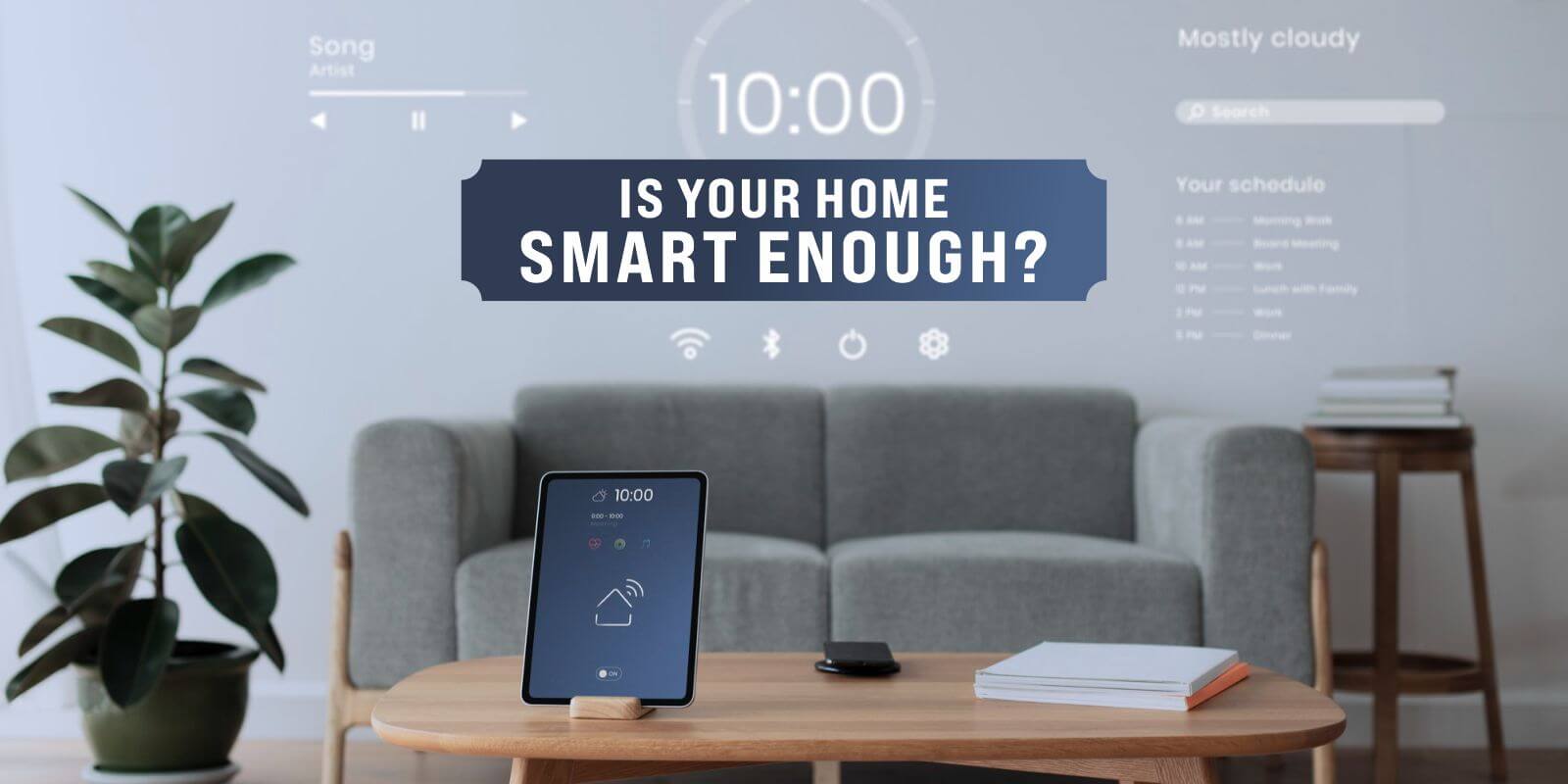
Times change, and so do our homes. A few decades ago, nobody thought twice about flipping a light switch manually. Today, people are asking speakers to do it for them. The way we live has shifted, and our homes are shifting right along with it.
Smart Home
Think of a smart home as a house that pays attention. It notices when you leave for work and stops cooling an empty house. It lets you peek at your front door from a beach vacation. Systems like Google Home, Amazon Alexa, or Apple HomeKit run things behind the scenes, and over time, they actually learn your habits.
Some handy things smart homes do: lights that dim on their own when you start a movie, door cameras you can check from anywhere, fridges that remind you to grab milk, and thermostats that trim your electricity bill without you lifting a finger.
Traditional Homes
A traditional home is simple. You walk in, hit a switch, done. No apps, no updates, no asking a gadget to unlock your door. Many people genuinely love this. Nothing feels more reliable than a key that just works.
Traditional homes also tend to cost less upfront, and fixing something usually just means calling a handyman rather than troubleshooting Wi-Fi.
Why Buyers Want Smart Homes
Savings on bills: Smart thermostats stop wasting energy when nobody’s home. Many homeowners report cutting heating and cooling costs by around 30%. Over a few years, that adds up.
Peace of mind: Left the house and forgot to lock up? Just check your phone. Smart homes let you monitor your property from anywhere, which is a huge deal for people who travel often.
Pure convenience: Walking into a home that’s already the right temperature, or waking up to fresh coffee that started brewing on its own, doesn’t ever really get old.
Better resale value: In busy city markets, smart homes are selling faster and fetching higher prices, especially in the luxury segment. It’s quickly becoming less of a bonus feature and more of a basic expectation.
Traditional Homes Still Hold Their Ground
Traditional Homes are easier to maintain, more affordable, and honestly, a lot less confusing for people who’d rather not deal with software updates. For buyers who want something uncomplicated, a traditional home checks every box.
Final Thoughts
Neither type of home is the wrong choice. It really comes down to how you live. If you’re always traveling, remote access to your home is gold. If you hate tech and just want things simple, traditional is perfectly fine.
Budget matters too. Smart homes cost more upfront, sometimes 15–30% more, but the long-term savings and resale value can balance that out over time. Talk to someone who knows your local market. They’ll tell you what buyers in your area actually want, and that’s the insight worth having.

